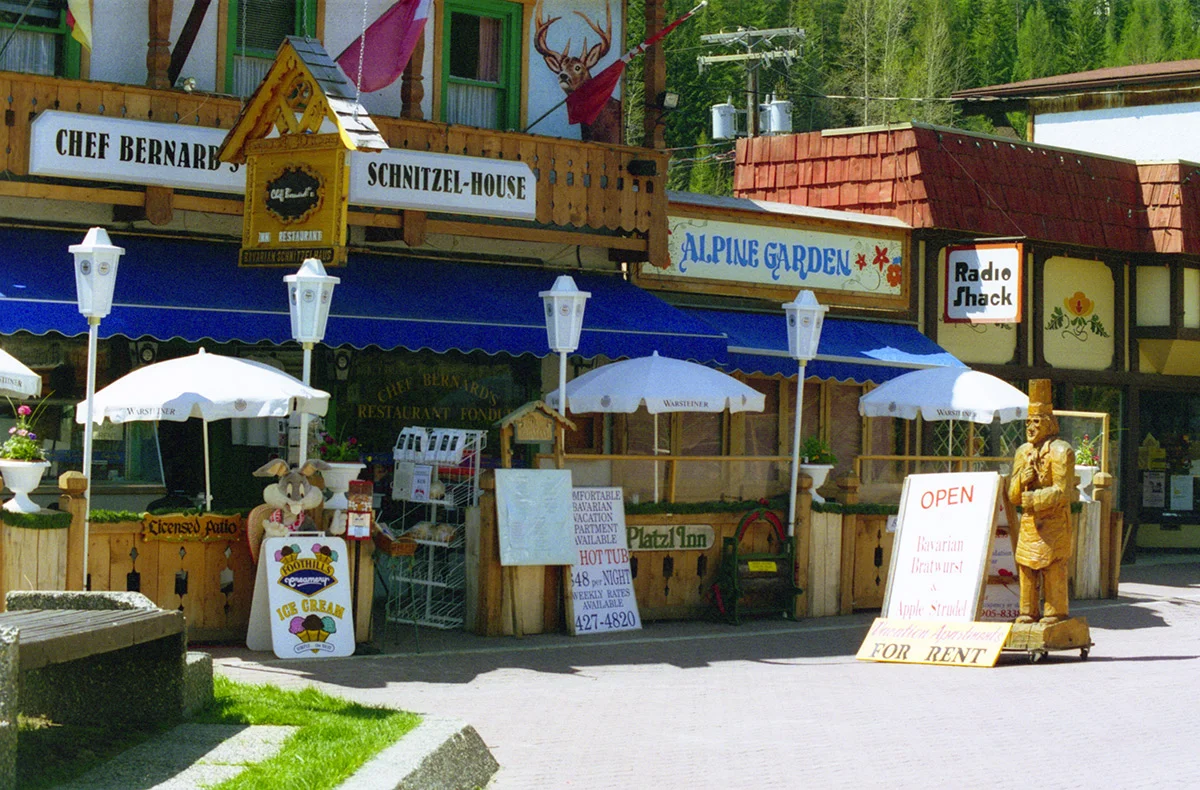
For an East Kootenay business, a useful marketing plan connects three different jobs: being found when someone needs you, giving them a reason to choose you and making the enquiry or purchase easy.
- Use local search for existing demand, and Meta advertising to introduce a relevant offer.
- Plan around the customers and communities you can actually serve.
- Measure suitable enquiries and bookings, not impressions alone.
“We need more visibility” is a reasonable starting point. It is not yet a campaign brief. A Cranbrook trades business wanting suitable quote requests has a different problem from a Kimberley retailer promoting a seasonal collection or a Fernie operator preparing for a booking period.
This guide brings local SEO, Meta advertising and brand and creative work into one practical plan. The examples are hypothetical. They illustrate decisions you can make; they are not reported client campaigns or promises of a particular return.
1. Choose the customer and the action first
Write down who the campaign is for, what they need now and what you want them to do. “Everyone in the Kootenays” is usually too broad to produce a useful message. “Homeowners in our actual service area planning a renovation” or “visitors choosing an available experience” gives you something concrete to work with.
Distinguish residents, repeat visitors and first-time visitors. They do not have the same knowledge of your business or the same reasons to act. A resident may recognise your name but need proof of the specific service. A visitor may need directions, operating hours, availability and reassurance before booking.
Then check capacity. If your team can serve Cranbrook and Kimberley but cannot take on work in Fernie, your ads and enquiry forms should reflect that. More leads from the wrong location can add work without creating useful business.
2. Let local context change the message
A place name is useful when it affects the customer's decision. Kimberley's Platzl is a pedestrian downtown centre with shops, places to eat and cultural attractions. For a hypothetical shop there, useful marketing might show the actual entrance, explain how to find the collection and confirm opening hours. Generic “mountain lifestyle” copy would answer less.
Tourism Fernie's self-guided tours include historic downtown, art, food and nature. A visitor-facing business can learn from the different intentions behind those trips. For example, an itinerary page can explain whether your own offering fits a short downtown stop or requires advance booking. Never imply participation in an official tour or a tourism partnership unless that relationship exists.
In Cranbrook, a clear explanation of what you do and where customers can access it is more useful than assuming everyone already knows your business. If your address, access arrangements or travel area affect the visit, explain them accurately. Local familiarity should make the information more practical, not more vague.
For a wider regional campaign, distinguish the communities involved. Sparwood and Elkford are in the Elk Valley; Invermere and Radium Hot Springs are in the Columbia Valley. A service business considering those areas should check travel, scheduling and capacity before targeting them. Our service-area directory provides separate local starting points; it does not represent a network of walk-in offices.
Keep the connection honest. Mention a landmark because it helps someone navigate or understand a real example. There is no automatic authority boost from linking to attractions, and a link does not make their organisation your partner.
3. Make local search and your website agree
When someone searches for a service, your website and eligible Google Business Profile should give compatible answers: what the business does, where it operates, when it is available and how to contact it.
Google identifies relevance, distance and prominence as the main local ranking factors. Complete and accurate information, genuine reviews and a useful website all matter. Neither an advertising budget nor repeating “Cranbrook” in every heading guarantees stronger organic rankings.
- Choose business categories and services that accurately describe the business.
- Keep hours, contact information and customer-facing location information current.
- Create substantial service pages that answer pre-enquiry questions.
- Use real customer language in titles and descriptions without making the writing unnatural.
- Ask for honest reviews after appropriate interactions, without incentives or review gating.
If the website needs attention first, our Cranbrook website guide covers structure, mobile usability and a launch checklist. Sending paid traffic to an unclear or broken page makes the rest of the campaign harder to evaluate.
4. Give Meta advertising a specific job
Facebook and Instagram advertising can introduce an offer before someone searches for your business by name. It is different from an organic search listing. Decide whether a campaign should encourage a qualified enquiry, a booking, a product visit or awareness of a particular service.
Match the creative, landing page and requested action. An ad about a specific consultation should lead to the relevant consultation information, not a homepage where the visitor has to find it again. The form should ask enough to qualify the enquiry without demanding an entire project brief.
Use a genuine visual and a clear message: who the offer suits, what the next step involves and why it is relevant now. A thoughtful photograph of the actual product or work is usually more informative than a generic mountain image. Get permission before using identifiable people or customer work.
Target only the places you can meaningfully serve, then qualify location in the enquiry process. Advertising location controls are not a guarantee that every person reached lives in your intended catchment. Review the actual enquiries rather than assuming the settings delivered a perfect local audience.
Our Cranbrook Meta advertising service connects creative, landing pages and measurement. Advertising spend does not purchase an organic Google ranking, and no campaign can responsibly guarantee a fixed number of sales.
5. Make the business recognisable across every touchpoint
Branding is more than adding a logo to an ad. The name, visual treatment, tone and promise should remain recognisable across your listing, social profile, website, printed material and follow-up email. Customers should not wonder whether they have reached a different business.
Build a small working set: accurate logo files, agreed colours, readable typography, real photographs and a few clear sentences about the offer. Create formats your team can reuse without rebuilding the identity each week. A seasonal promotion can feel fresh without inventing a new brand.
For a hypothetical Kimberley retailer, that might mean one clear product story across a window sign, Instagram post and landing page. For a Cranbrook service business, it might mean using the same scope explanation in a quote-request page and the email that follows. Consistency should reduce confusion, not make every message identical.
6. Plan the season, then measure the actual outcome
Build a calendar around your own availability, customer decisions and verified local events. Do not promote dates you have not confirmed or borrow the name of an event in a way that implies sponsorship. Prepare the landing page and enquiry handling before the campaign starts.
A practical campaign brief
- Audience: who can use the offer, and in which actual service area?
- Offer: what does the customer get or learn by taking the next step?
- Evidence: what real work, product details or permitted feedback supports it?
- Destination: which page answers the question introduced by the ad?
- Ownership: who responds to enquiries and checks available capacity?
- Measurement: what counts as a suitable enquiry, booking or completed sale?
Agree a testing budget and review process appropriate to the business, rather than copying another industry's numbers. Track how many enquiries are in area, suitable for the service and ready for a useful conversation. Review booked work separately from raw form completions. Treat platform reporting as one source of information, not a complete record of revenue.
Keep privacy in mind when adding analytics, pixels or customer lists. Check the applicable requirements, explain the data use and avoid collecting information just because a tool permits it. If response handling is the weak point, start with a simple enquiry workflow before increasing advertising.
East Kootenay marketing questions
Should I start with local SEO or Meta ads?
Start with accurate business information and a useful destination page. Local SEO helps people already looking for a relevant service; Meta ads can introduce an offer to an appropriate audience. The best sequence depends on the offer, existing demand, budget and capacity to respond.
Should Cranbrook, Kimberley and Fernie share one campaign?
Only when the same offer, service area and customer needs genuinely apply. Separate messages may be useful when travel, booking patterns or availability differ. Do not divide campaigns so finely that you cannot learn anything from the results.
Will adding landmark links improve my ranking?
Not by itself. Relevant references can make an article more useful and verifiable. They do not replace a strong offer, accurate business information, genuine reputation or links earned from others.
What should I ask a marketing studio to report?
Ask for spend, the actions being measured, suitable enquiries, booked outcomes where available and the limitations of the reporting. Impressions and clicks can help diagnose a campaign, but do not independently establish a business result.
Sources and local references
Local places are referenced for context, not affiliation or endorsement. All business scenarios in this guide are illustrative.